

All HCCI Reports
HCCI’s original reports powered by #HCCIdata
-
COVID Tests Cost $0 for Most People in 2020
 for Most People in 2020″ style=”border-radius:5px;width:100%;height:100%;object-fit:cover;” decoding=”async” fetchpriority=”high” />Read more: COVID Tests Cost $0 for Most People in 2020
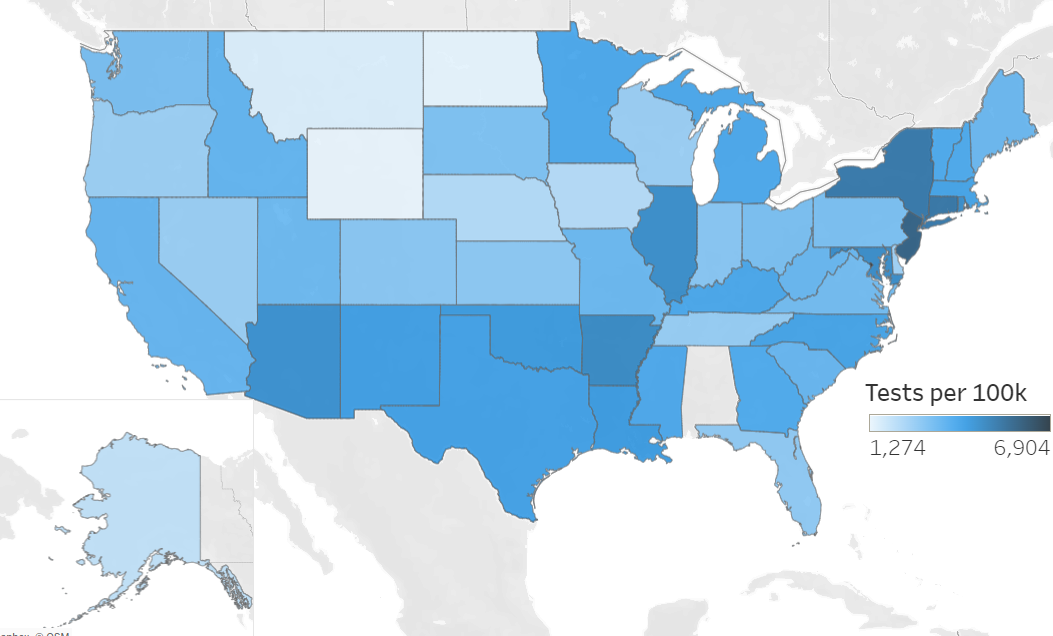
COVID-19 testing has become a regular part of life for many Americans over the last two years. In addition to facilitating individual returns to work, school, and other activities, testing is a crucial component of the public health strategy to monitor and address the spread of the virus. Even as testing becomes more available, there…
-
Insulin is expensive
 Read more: Insulin is expensive
Over 10% of the U.S. population— more than 34 million individuals— lives with diabetes, with 1.5 million new cases diagnosed each year. As people with diabetes manage this chronic condition, they often pay substantial amounts out of their own pockets on medical care and prescription medications. Using HCCI’s unique health care claims dataset, this brief…
-
Love is Expensive; So is a Trip to the Emergency Room
Tags: Emergency Room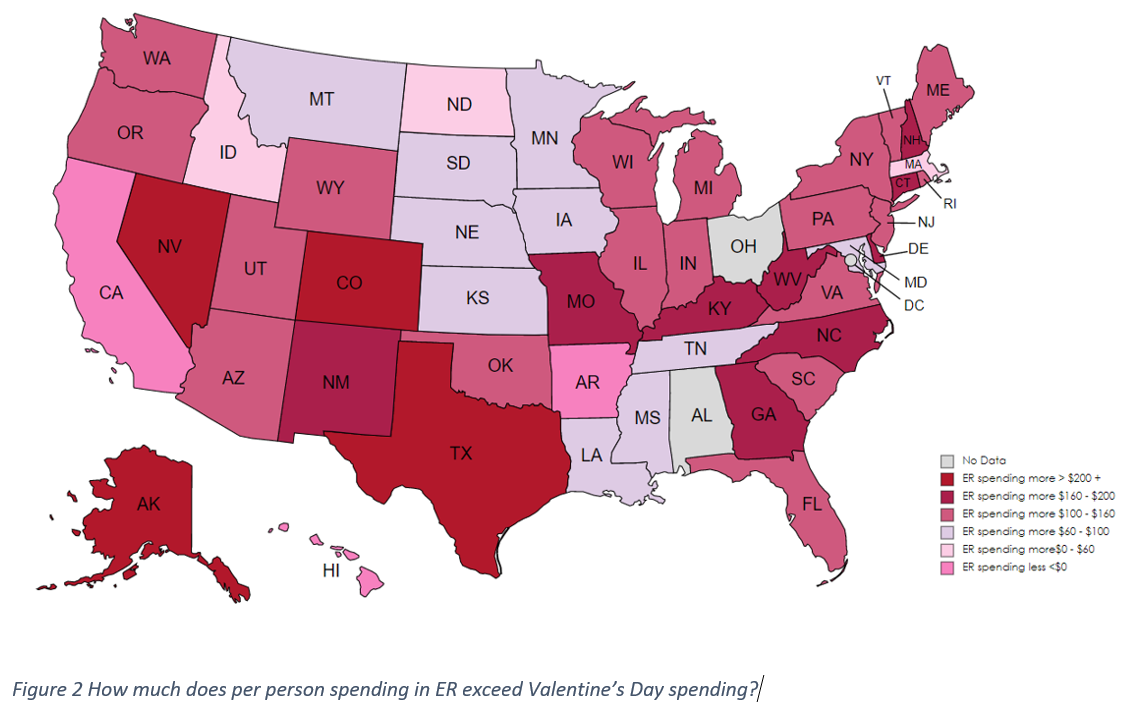 Read more: Love is Expensive; So is a Trip to the Emergency Room
We further explored state variation in the difference between per person ER spending and per person Valentine’s Day spending. We find that if you live in Texas, Colorado, Alaska, or Nevada, you might end up paying over $200 more for an ER visit than a Valentine’s Day gift. If you live in California, Hawaii, or…
-
Assessing the Long-Term Viability of Data Platforms for Research
 Read more: Assessing the Long-Term Viability of Data Platforms for Research
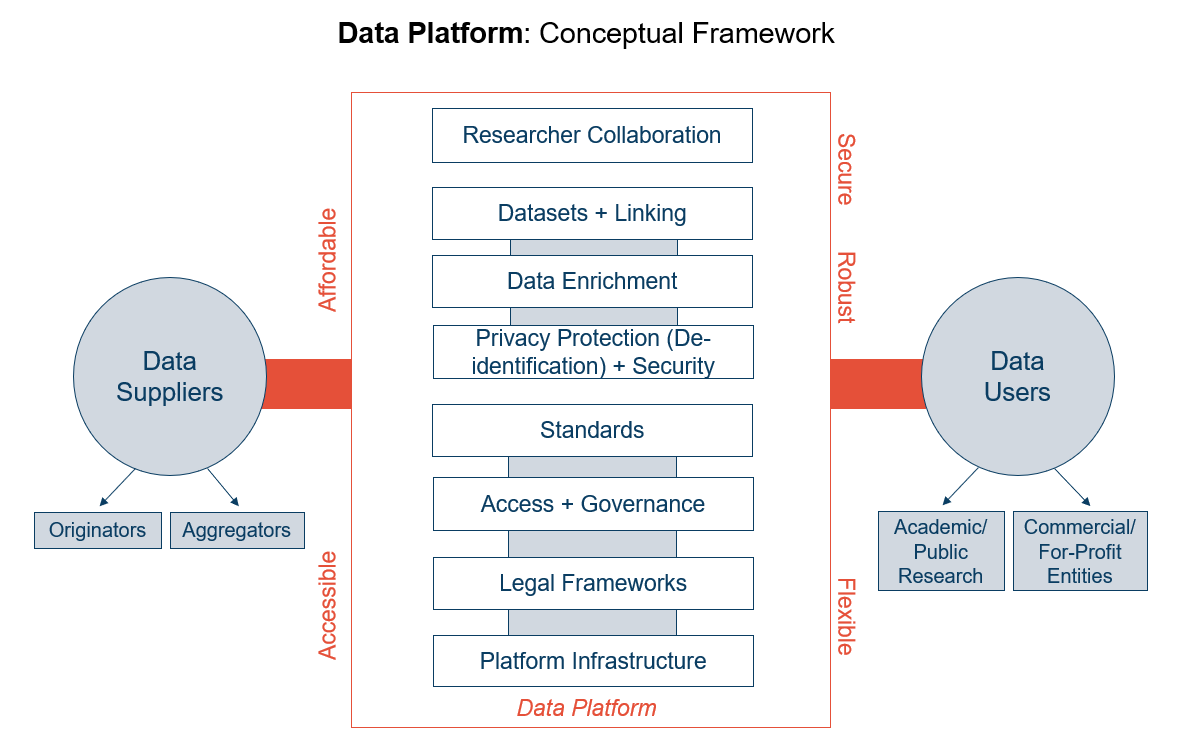
Health care in the United States is notoriously fragmented. A patient may receive care from a variety of health systems, physicians, and other providers, and that care may or may not be recorded in a patchwork of administrative claims data systems and electronic health record (EHR) systems. At the same time, health data has become…
-
Ouch!: New Data reveals ER spending increased by 51% from 2012 – 2019, with patient out of pocket payments increasing by 85%
Tags: Emergency Room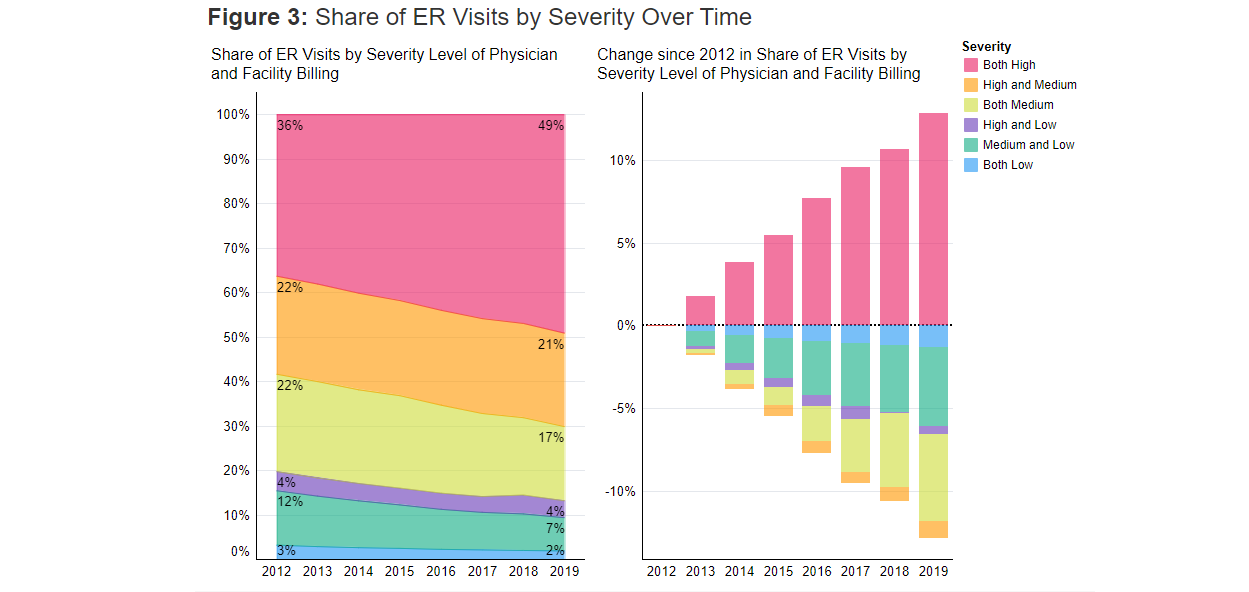 Read more: Ouch!: New Data reveals ER spending increased by 51% from 2012 – 2019, with patient out of pocket payments increasing by 85%
Introduction Excessive emergency room (ER) spending and utilization have long been major areas of focus for health care stakeholders. The ER is an important source of health care for many individuals, especially those who lack a usual source of care, or those with work schedules that limit the ability to access care during “normal business…
-
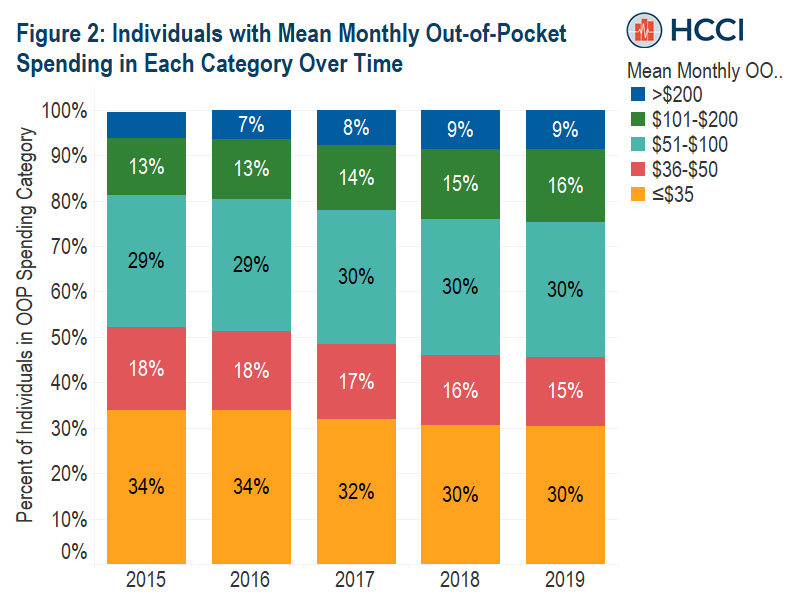
Capping Out-of-Pocket Spending on Insulin would Lower Costs for a Substantial Proportion of Commercially Insured Individuals
 Read more: Capping Out-of-Pocket Spending on Insulin would Lower Costs for a Substantial Proportion of Commercially Insured Individuals
Previous HCCI analysis documented rapid growth in insulin spending over the 2012-17 period. High out-of-pocket spending may deter adherence to insulin among individuals with diabetes, with potentially fatal effects. In this blog, we update our analysis of out-of-pocket insulin spending to 2019 using HCCI’s unique commercial claims dataset, which includes prescription drug claims for 29 million…
-
Real World Consequences of the Qualifying Payment Amount in the No Surprises Act
Tags: Surprise BillingRead more: Real World Consequences of the Qualifying Payment Amount in the No Surprises ActThe United States Congress passed the No Surprises Act last year, offering several protections to consumers. Beginning in 2022, providers can no longer bill patients for more than their insurance’s in-network cost sharing. The law also bans balance billing except in situations where a patient is notified in advance and their written consent is obtained….
-
2019 Health Care Cost and Utilization Report
 Read more: 2019 Health Care Cost and Utilization Report
The 2019 Health Care Cost and Utilization Report presents data on health care spending, utilization, and average prices from 2015 through 2019 for individuals under the age of 65 who receive health insurance coverage through an employer. This report examines trends within four categories of service: inpatient admissions, outpatient visits and procedures, professional services, and prescription drugs. All data…
-
The Impact of COVID-19 on the Use of Preventive Health Care
Tags: COVID-19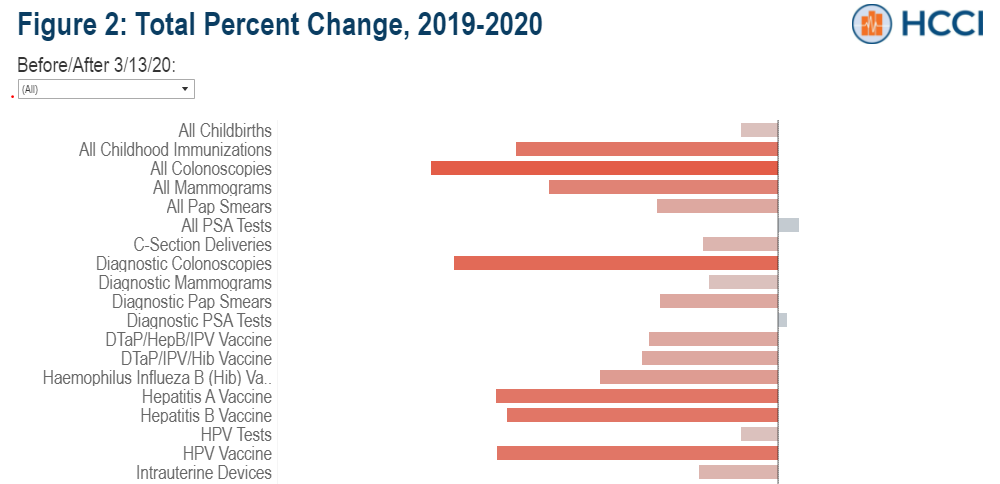 Read more: The Impact of COVID-19 on the Use of Preventive Health Care
Updated 4/16/2021 to include data through 12/30/2020. Since the original post on 9/9/2020, the data have been adjusted to account for claims submission lags. For more information, see Methods Note below. COVID-19 has had an extraordinary impact on the US health care system since its emergence in early 2020. One of the largest and most immediate impacts has…
-
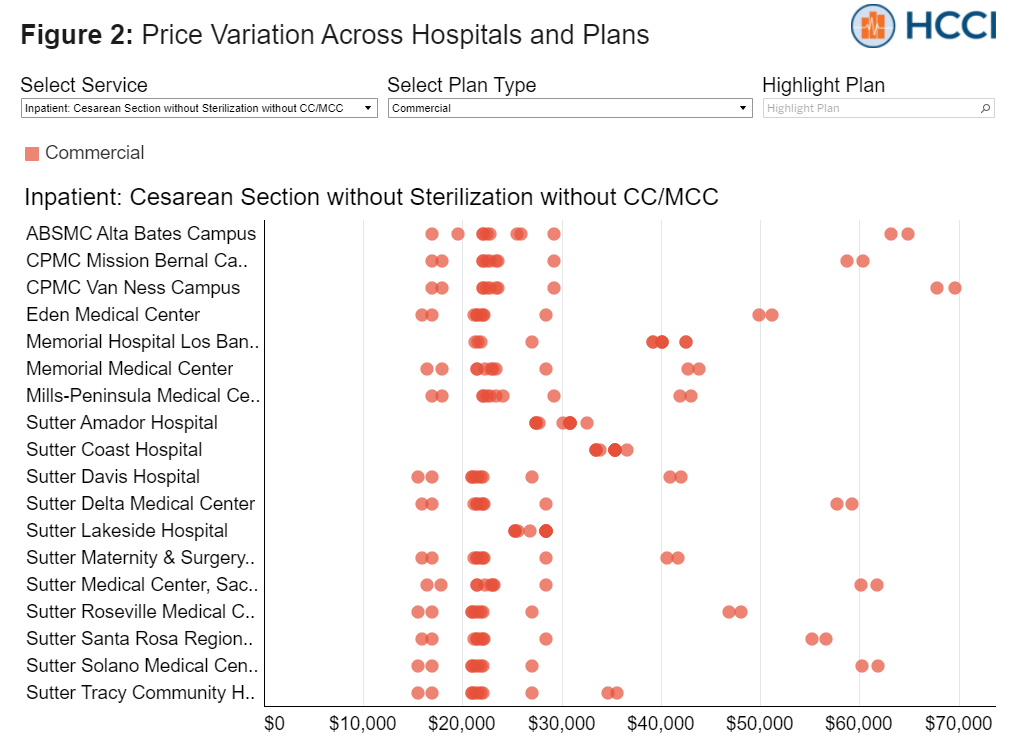
The Insanity of U.S. Health Care Pricing: An Early Look at Hospital Price Transparency Data
 Read more: The Insanity of U.S. Health Care Pricing: An Early Look at Hospital Price Transparency Data
The numbers in this report have been updated to reflect the most recent pricing data made available by Sutter Health. While nearly all of the prices remained unchanged (93%), some, generally higher cost services were revised downward by Sutter. For example, in the initial report we found that C-section prices ranged from $7,634 to $89,244…