Publications
-
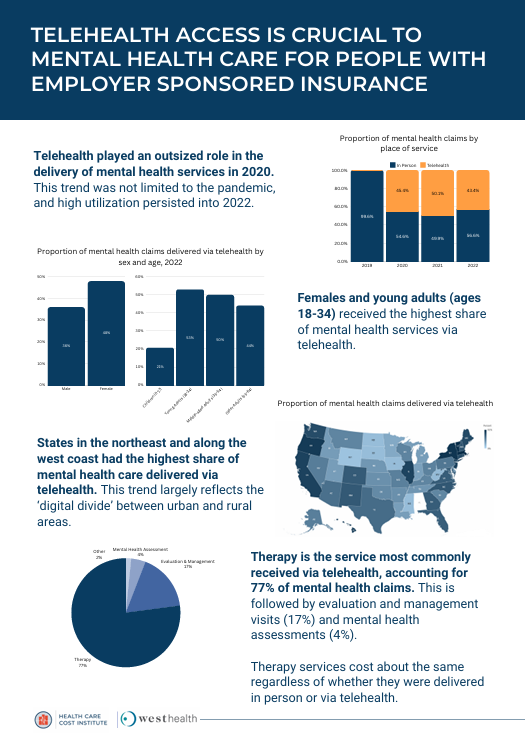
Telehealth Access is Crucial to Mental Health Care for People with Employer-Sponsored Insurance
 Read more: Telehealth Access is Crucial to Mental Health Care for People with Employer-Sponsored Insurance
The Health Care Cost Institute (HCCI), in collaboration with West Health, conducted an analysis on the use of telehealth mental health services among people with employer-sponsored insurance (ESI). We found that telehealth played an outsized role in the delivery of mental health services starting in 2020, with over 40% of mental health visits occurring via telehealth from…
-
International Comparisons of Health Care Prices from the 2024 iFHP Study
Tags: Drug Spending, HCCUR, Inpatient Spending, Out-of-Pocket, Outpatient Spending, Physician Spending, Prices, Utilization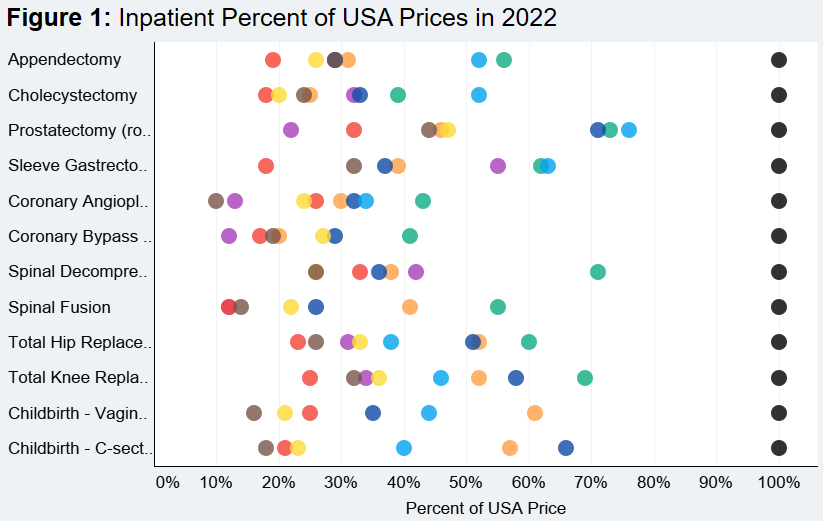 Read more: International Comparisons of Health Care Prices from the 2024 iFHP Study
The International Federation of Health Plans (iFHP) has published its 2024 International Healthcare Cost Comparison Report, marking its latest biennial analysis of global healthcare costs. Compiled in collaboration with the Health Care Cost Institute (HCCI), the report compares costs for inpatient and outpatient treatments, as well as prescription drugs, across nine countries using data from…
-
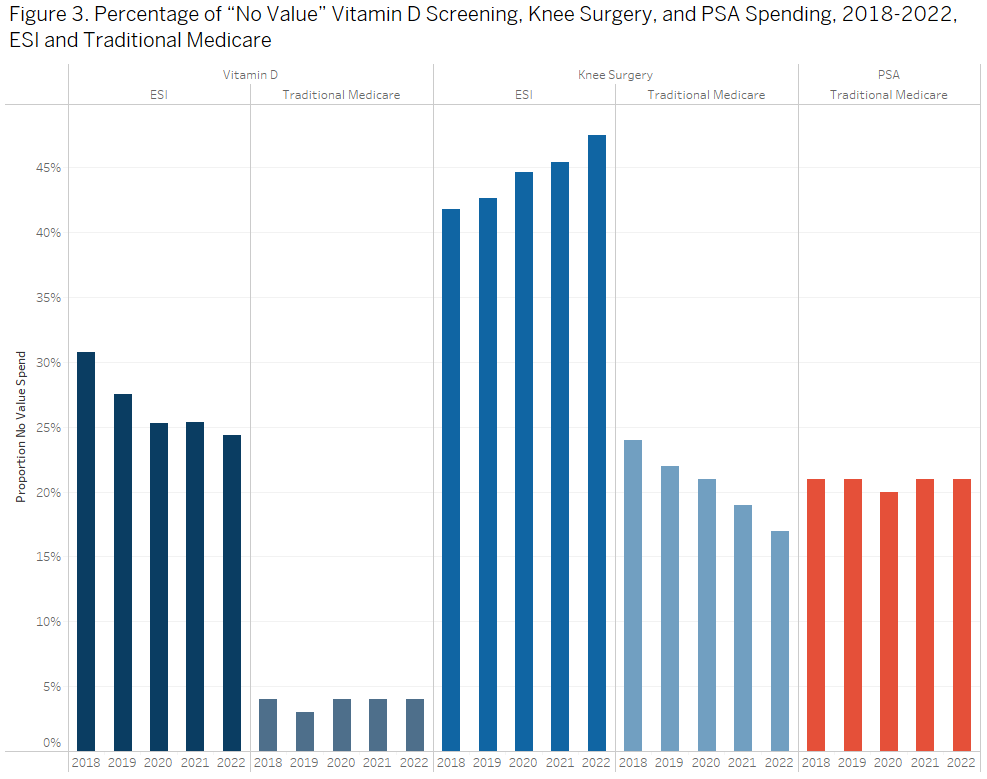
Assessment of “No Value Care” among People with Employer-Sponsored Insurance and Traditional Medicare
 Read more: Assessment of “No Value Care” among People with Employer-Sponsored Insurance and Traditional Medicare
Policymakers and clinician consortia have identified low value care, defined as health care services that provide negligible clinical benefit to the patient when provided, as one way to curb excessive and inefficient medical spending. A previous HCCI report found that 18% of people with employer-sponsored insurance in 2019 received at least one low-value service, which…
-
HCCImpact 2024
 Read more: HCCImpact 2024
High and rising health care costs affect individuals, families, and businesses across the country, and they have for decades. Cost forces difficult choices between health care and other needs. The Health Care Cost Institute’s mission of using data and analytics to improve the US health care system recognizes that people are at the heart of health…
-
Commercial inpatient hospital price growth driven by system affiliation and nonprofit-status hospitals
Tags: Health Affairs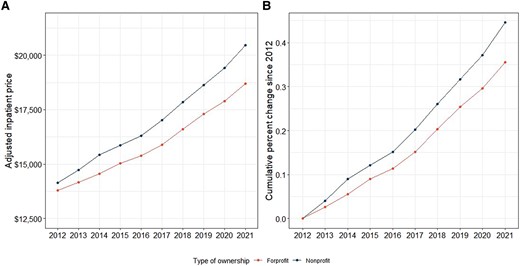 Read more: Commercial inpatient hospital price growth driven by system affiliation and nonprofit-status hospitals
Recent data from the Health Care Cost Institute (HCCI) show that growth in hospitals’ commercial inpatient prices was higher in system-affiliated and non-profit hospitals from 2012-2021. Key Findings: In the backdrop of a wave of hospital mergers, system-affiliated non-profit hospitals account for more than half of short-term general acute care hospitals in the US (from…
-
Five years since US first biosimilar market entry, first signs of savings attributed to biosimilars in the employer-sponsored insurance population
 Read more: Five years since US first biosimilar market entry, first signs of savings attributed to biosimilars in the employer-sponsored insurance population
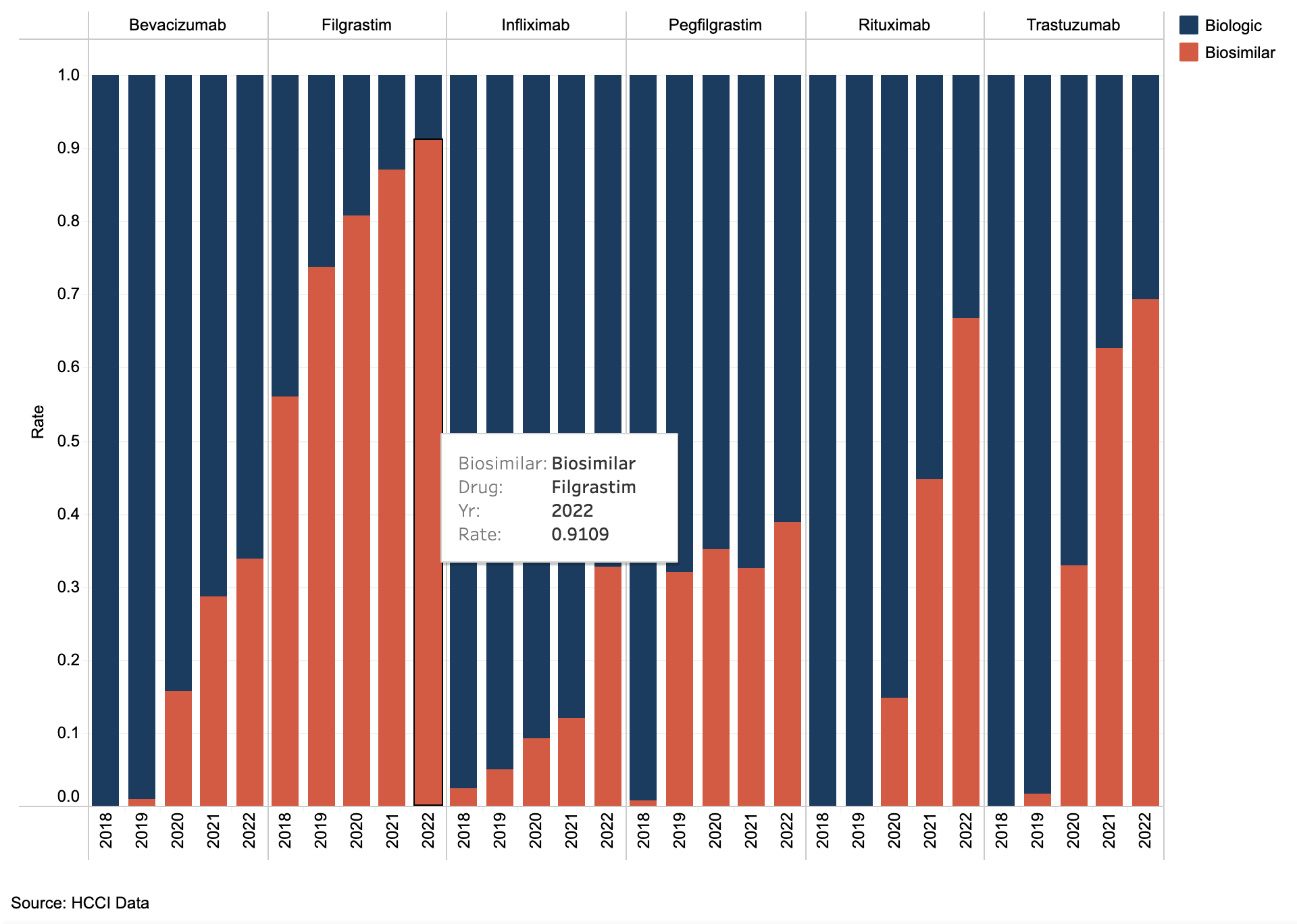
Biologic drugs treat a range of diseases such as cancer, diabetes, retinal diseases, Crohn’s disease and many other conditions. Despite accounting for use by just 2% of Americans, spending on biologics is a major driver of drug spending in the United States. Biologics often come with a hefty price tag; for example, the most commonly…
-
Price Markups for Clinical Labs: Employer-based Insurance Pays Hospital Outpatient Departments 3x Than Physician Offices and Independent Labs for Identical Tests
 Read more: Price Markups for Clinical Labs: Employer-based Insurance Pays Hospital Outpatient Departments 3x Than Physician Offices and Independent Labs for Identical Tests
The Health Care Cost Institute (HCCI) in collaboration with West Health conducted an analysis of the high prices that employer-based insurance pays hospital outpatient departments for clinical lab tests. We found that insurers are paying, on average, 3 times more for common lab tests such as blood and urine test when billed by hospital outpatient…
-
Obesity Treatments Vary Between ESI and Medicaid Populations
 Read more: Obesity Treatments Vary Between ESI and Medicaid Populations
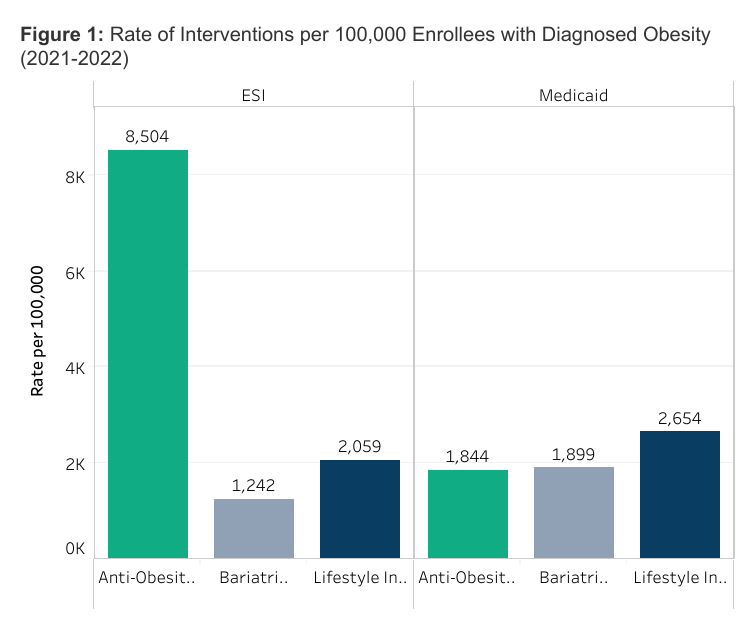
According to the most recent year of data available, an estimated 42% of adults have obesity and almost 20% of children are diagnosed with obesity. It is well documented that obesity prevalence and associated health care costs continue to rise. The Kaiser Family Foundation has estimated the average annual health spending for people enrolled in commercial insurance…
-
Data Brief: Menopause Diagnosis Steadily Increased from 2018-2022
 Read more: Data Brief: Menopause Diagnosis Steadily Increased from 2018-2022
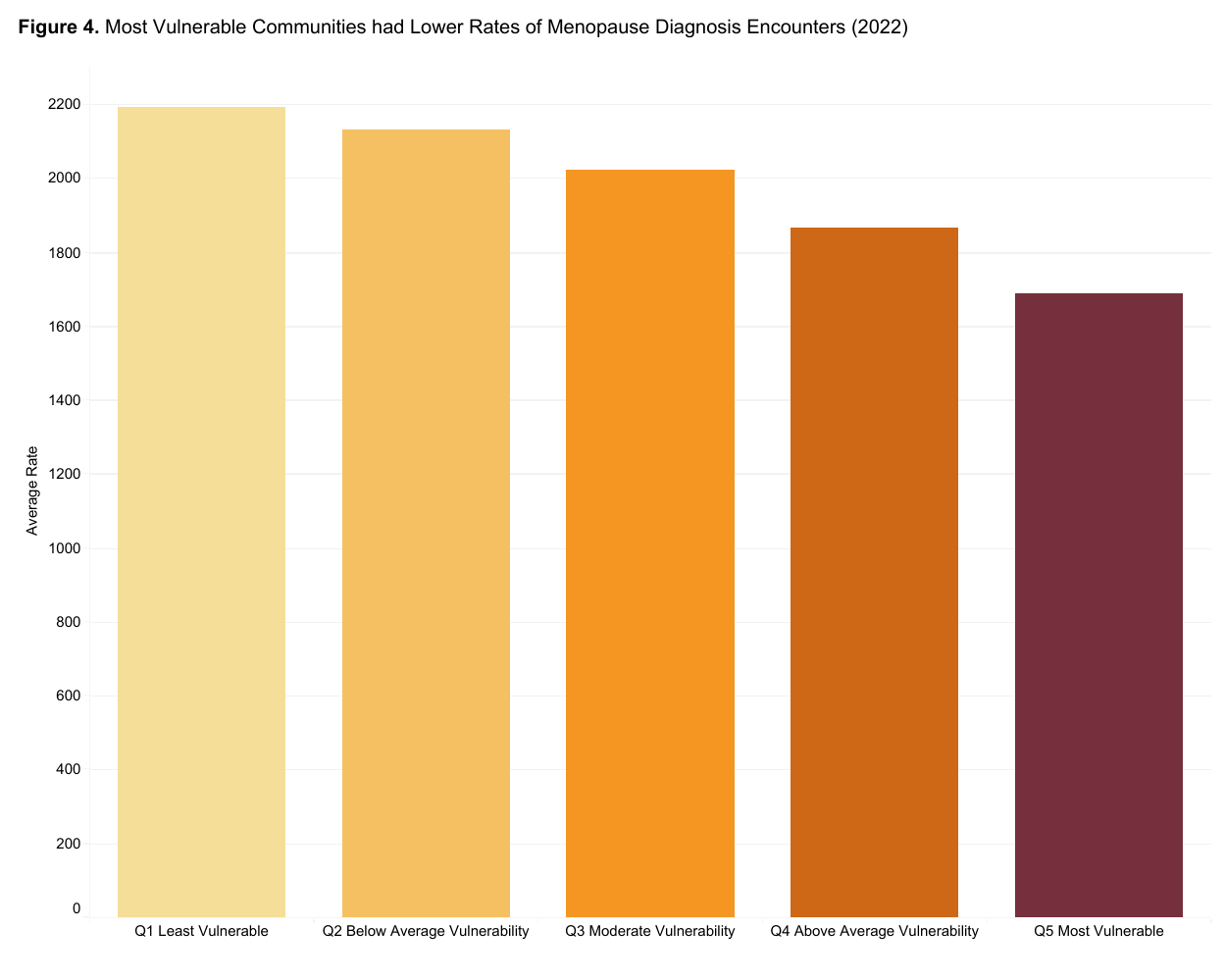
Menopause is clinically defined as the end of a female’s menstrual cycle, but for many, this stage of life is marked by uncertainty and confusion. It is a period where information is vague, experience is poorly understood, and it leaves many women feeling isolated as they navigate the complex changes of aging. Each year, nearly…
-
HCCI Research Finds The Lower Costs, More Transparency Act Targets Substantial Portion of Administered Drug Spending
Read more: HCCI Research Finds The Lower Costs, More Transparency Act Targets Substantial Portion of Administered Drug SpendingThe Lower Costs, More Transparency Act (H.R. 5378) currently before Congress aims to increase price transparency in health care and address the high cost of prescription drugs. One of the provisions of the bill would change the way Medicare pays for physician administered drugs. Currently, Medicare pays a higher price for drugs that are administered…