Publications
-
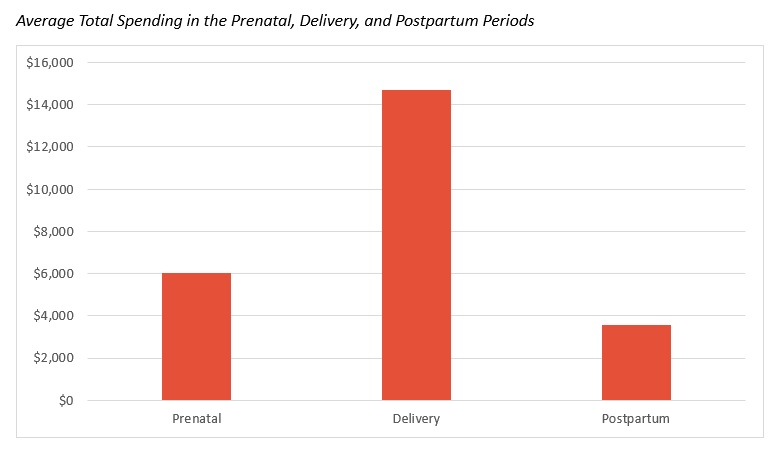
From Prenatal through Postpartum Care, it Cost More Than $24,000 to Have a Baby on Average
 Read more: From Prenatal through Postpartum Care, it Cost More Than $24,000 to Have a Baby on Average
Total Spending Averaged $24,336 across the Prenatal, Childbirth, and Postpartum Periods among ESI Enrollees HCCI has highlighted the high cost of childbirth in the United States, but delivery is only one component of the full financial cost of having a baby. The cost of prenatal and postpartum care may cause people to forgo appropriate services,…
-
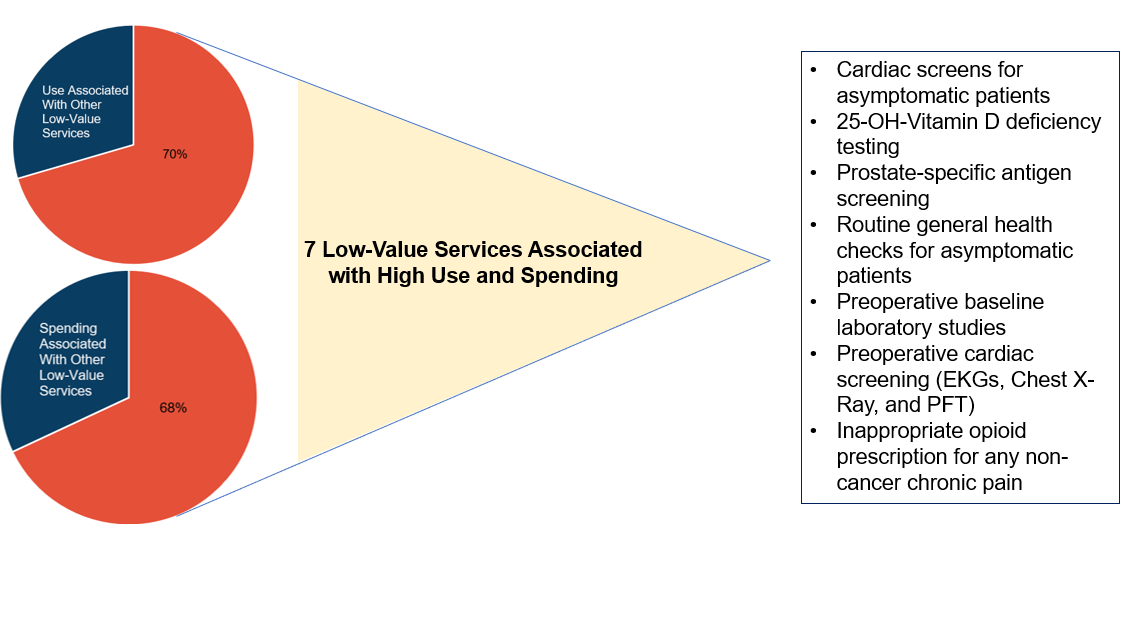
Focusing on Seven Services Could Eliminate More Than Two-Thirds of Low-Value Care in HCCI’s ESI Data
 Read more: Focusing on Seven Services Could Eliminate More Than Two-Thirds of Low-Value Care in HCCI’s ESI Data
There is substantial evidence that people in the U.S. receive health care services judged to be of low-value. These services are identified as low value based on recommendations from the U.S. Preventive Services Task Force (USPSTF) and professional medical societies that there is little to no clinical value associated with their provision and potential for…
-
Insulin Prices in ESI Nearly Doubled from 2012-2021, with Effects of Emerging Biosimilars Evident in Recent Years
 Read more: Insulin Prices in ESI Nearly Doubled from 2012-2021, with Effects of Emerging Biosimilars Evident in Recent Years
Insulin is a life-saving medication for millions of Americans who live with diabetes. As the price of insulin has risen, people who depend on insulin have had to make difficult decisions about whether to pay for their medication or other necessities. Some have been forced to ration their supply, with devastating results. Recent legislation has limited insulin out-of-pocket costs at…
-
Uptake of Biosimilars Remains Low Among People with Employer-Sponsored Insurance
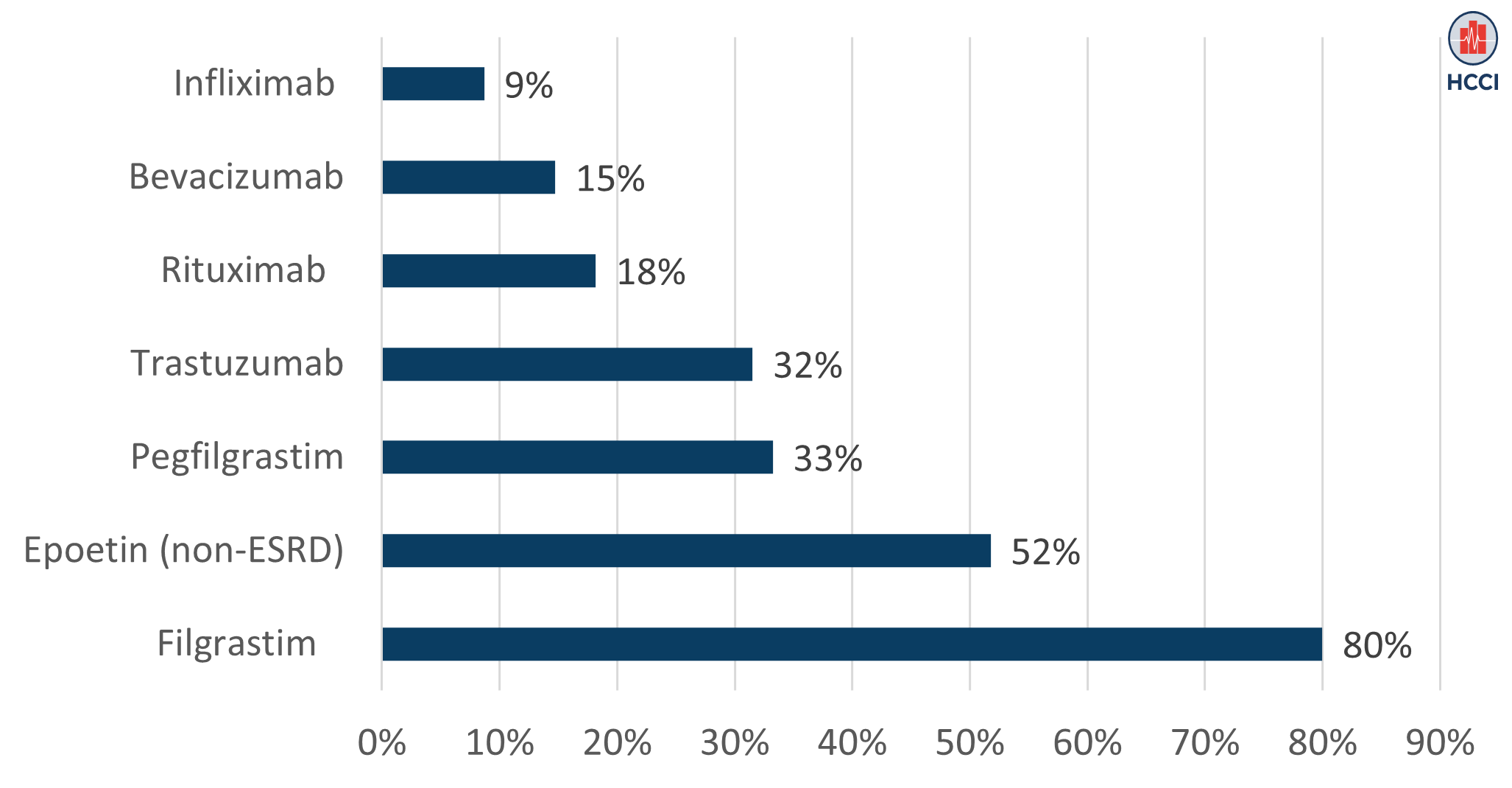 Read more: Uptake of Biosimilars Remains Low Among People with Employer-Sponsored Insurance
Biologic drugs represent advances in medical research and treatment but are a major driver of drug spending in the United States. Spending on biologics increased by 50% between 2014 and 2018 in the U.S. even though just 2% of Americans used them. Biosimilars, clinically equivalent, lower-cost versions of original biologic drugs, analogous to generic versions…
-
HCCI Spotlights Colorectal Cancer Awareness Month: Colonoscopy Prep Drugs Underscore the Tradeoff Between Cost and Patient Preference
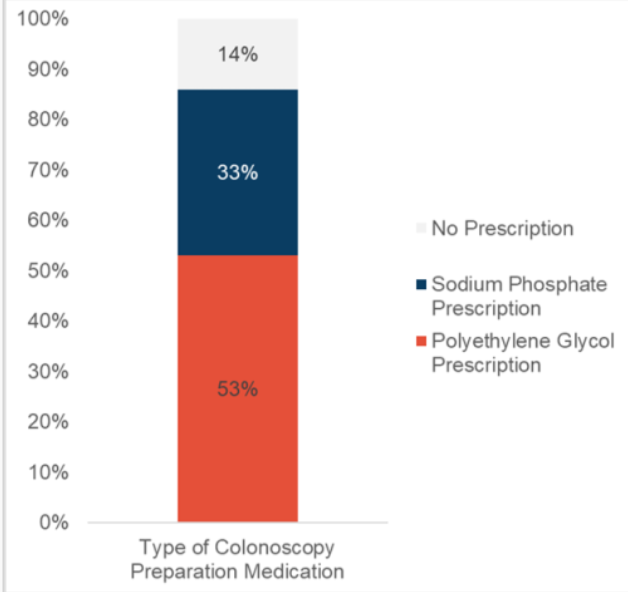 Read more: HCCI Spotlights Colorectal Cancer Awareness Month: Colonoscopy Prep Drugs Underscore the Tradeoff Between Cost and Patient Preference
Colorectal cancer is the third most common cancer diagnosed in the U.S., and the second most common cause of cancer deaths among men and women combined. Screening via colonoscopy is highly effective in terms of improving prognosis of colorectal cancer via early detection; over 90% of patients who are diagnosed early (i.e., when the cancer is small…
-
Seasonal Trends in Antibiotic Use were Disrupted by COVID-19
Read more: Seasonal Trends in Antibiotic Use were Disrupted by COVID-19November and December of 2022 saw growth in rates of flu, RSV, and COVID, that renewed attention to a seasonal trend of increased respiratory illnesses in the winter months. Data from Medicare, Medicaid, and private insurance illustrate the seasonal ups and downs of respiratory infections. Earlier HCCI research showed that hospitalizations from respiratory illness increased…
-
HCCI Data Brief: Sexual and Reproductive Health Among People with Employer-Sponsored Insurance
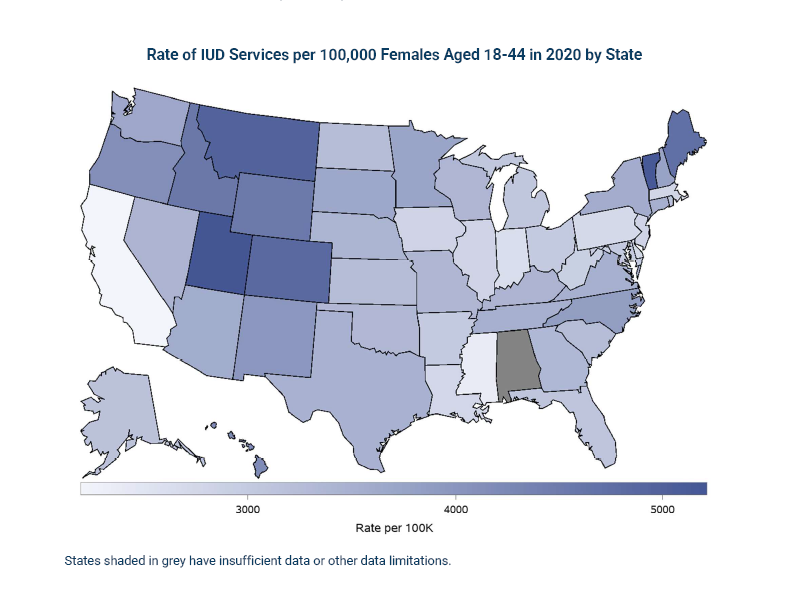 Read more: HCCI Data Brief: Sexual and Reproductive Health Among People with Employer-Sponsored Insurance
Reproductive and sexual health services play an important role in daily life and wellbeing for many people. These services include preventive services (such as screenings for sexually transmitted infections and reproductive cancers), contraceptive services, and services relating to pregnancy and childbirth. The objective of this report is to provide national and state data on the use…
-
Measuring the Prevalence of Obesity Using a Distributed Electronic Health Record Network
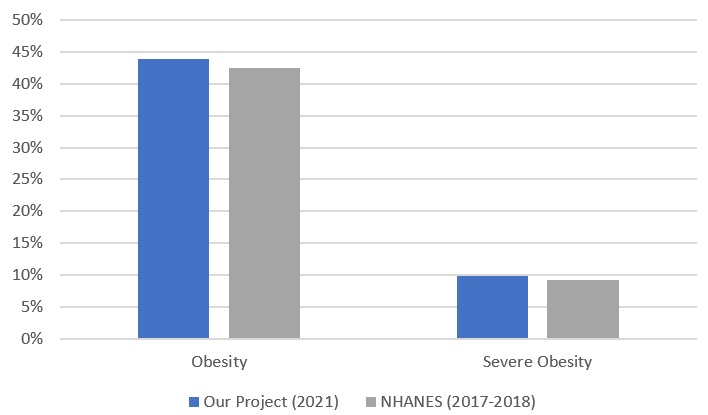 Read more: Measuring the Prevalence of Obesity Using a Distributed Electronic Health Record Network
Obesity is a serious and costly chronic disease that has been increasingly common among the U.S. population. Electronic health record (EHR) data have the potential to support research and patient care interventions. The timeliness and availability of aggregated clinical data can be used in near-real time to monitor obesity prevalence based on body mass index…
-
HCCI Spotlights National Diabetes Month: ESI Enrollees with Diabetes Face High Out-of-Pocket Costs. A Cap on Insulin Costs Would Help Many.
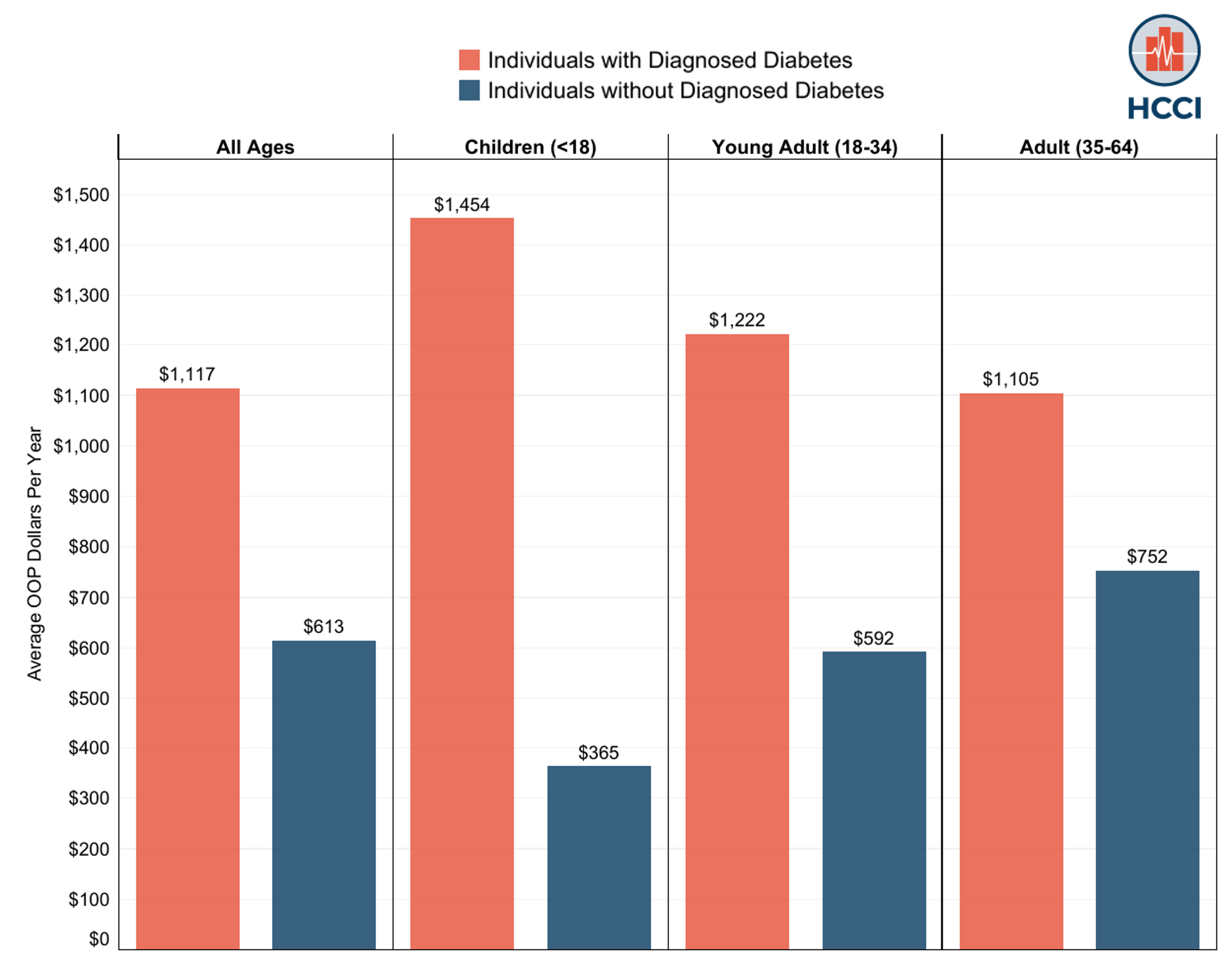 Read more: HCCI Spotlights National Diabetes Month: ESI Enrollees with Diabetes Face High Out-of-Pocket Costs. A Cap on Insulin Costs Would Help Many.
Diabetes is a chronic health condition that affects over 10% of the U.S. population. It is possible for people who are diagnosed with diabetes to live a healthy, long life if the condition is managed properly. However, management often involves significant health care use, which can be costly for patients. Over the past few months, we used HCCI’s…
-
Trends in HIV PrEP utilization, spending, and price
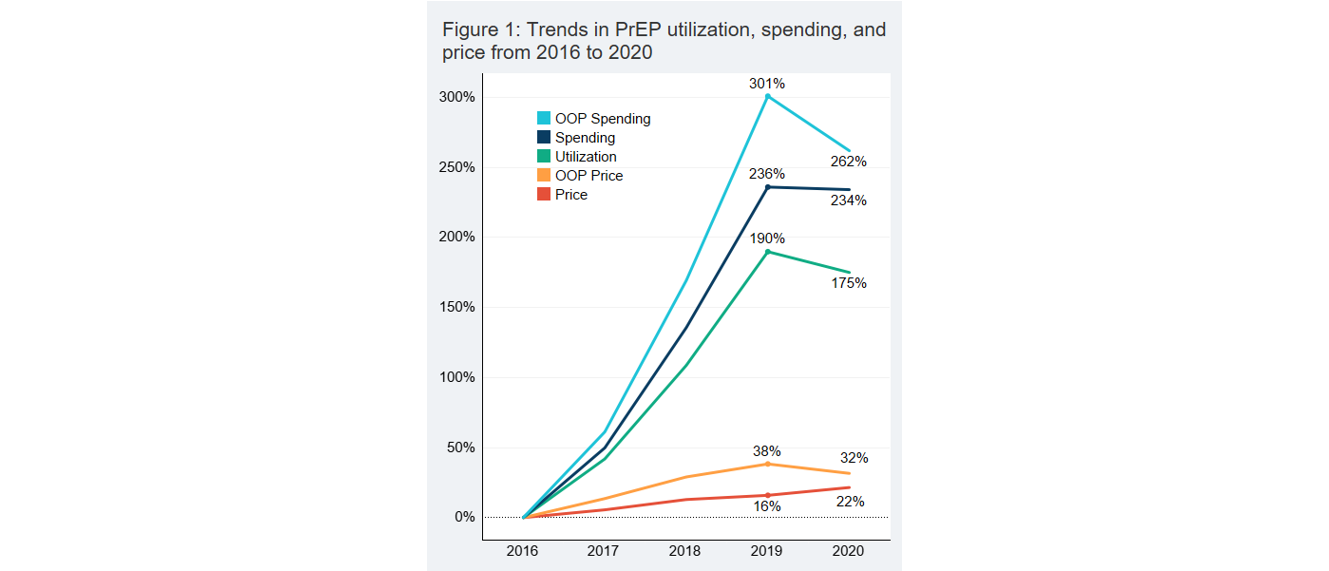 Read more: Trends in HIV PrEP utilization, spending, and price
Pre-exposure prophylaxis (PrEP) for HIV are medications that reduce an individual’s chances of contracting HIV. The CDC estimates that 1.2 million people are at risk of HIV infection and may benefit from a PrEP prescription. We analyzed health insurance claims for 55 million Americans with employer-sponsored insurance in order to examine utilization and spending on…